From farm to pantry: how canned vegetables are prepared
Canned vegetables typically move from harvesting and preparation to sealed containers and controlled heat processing. The method and timing depend on the vegetable and the commercial process.
| Stage | General purpose |
|---|---|
| Harvest and preparation | Choose usable produce and remove unsuitable parts. |
| Wash and cut | Clean vegetables and prepare sizes suitable for the product. |
| Pre-treatment | Some vegetables are blanched or otherwise prepared before packing. |
| Fill and seal | Pack into suitable containers with the product’s specified liquid and ingredients. |
| Controlled heat processing | Commercially validated processing makes a properly sealed product shelf-stable. |
| Label and distribute | Provide ingredients, dates, storage instructions and product identification. |
What to check at home
Read the current label for ingredients, salt, added sugar and storage instructions. Do not use bulging, leaking or badly damaged cans. After opening, refrigerate extra food promptly in a suitable covered container and follow the label.
This overview is not a home-canning method. Low-acid vegetables need a tested pressure-canning process; ordinary boiling is not a substitute.
Put pantry vegetables to use with ingredient guides and everyday recipes.
Where to go next
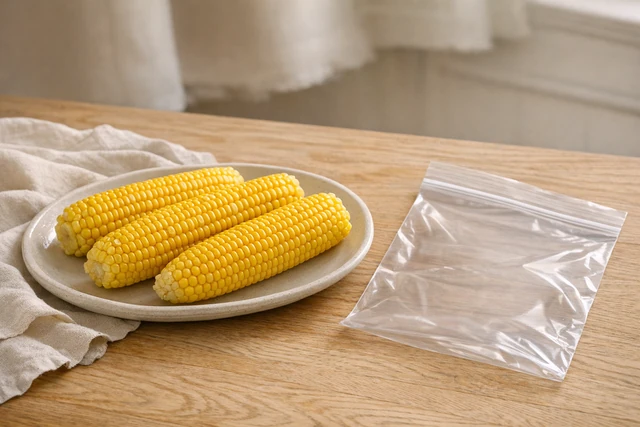 Kitchen guide
Can you freeze corn on the cob? Blanching times and storage steps
Freeze corn on the cob with research-based blanching times, cooling and packaging steps, plus the different method for freezing kernels.
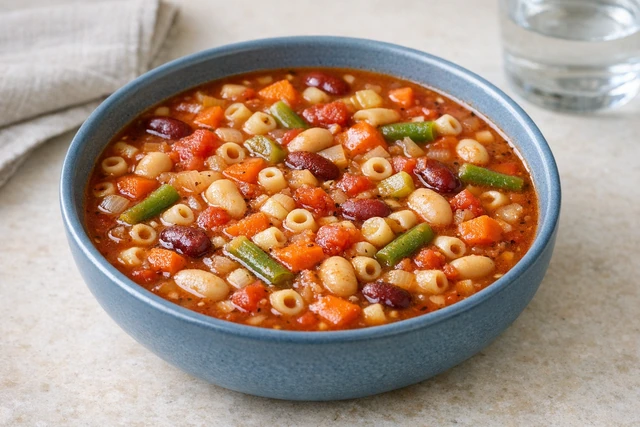 Kitchen guide
Cheap meal prep ideas: a practical mix-and-match plan
Budget-friendly meal prep using beans, eggs, potatoes and shared vegetables, with a shopping checklist and realistic waste-saving swaps.
Updated October 29, 2026 · Practical guidance