Family meal planning that fits real life
Start with the week you actually have. Plan fewer new recipes, make room for leftovers and keep one easy dinner in reserve.
On this page
 Free tool
Build a flexible dinner plan
Choose your household size and food preferences. Get a menu and a practical shopping checklist.
Start hereYour first weekly meal plan
A repeatable routine that starts with your calendar, not an ambitious recipe list.
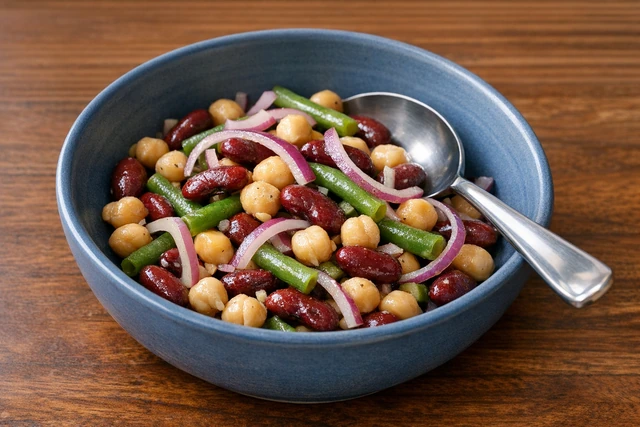 Prep ahead
Vegetarian meal prep
Build useful components without spending your entire Sunday cooking.
A realistic holiday-week meal plan
Plan the ordinary dinners around the gathering, not just the celebration itself. For U.S. Thanksgiving week, November 23–27, 2026, give each evening a job: two familiar cooked meals, a low-effort backup, the gathering, and a flexible follow-up. Move the dates for another holiday; meals away from home need no shopping slot.
| Slot | Dinner decision | What to do before shopping |
|---|---|---|
| Monday 23 · ordinary dinner | Make the pea and potato frittata; its original yield is about four with sides. | Check eggs, potatoes, peas and onion first. Read the full recipe and decide your own sides and portions; a large holiday guest count need not apply to Monday. |
| Tuesday 24 · one pot | Use everyday minestrone, which serves four to six as written. | Check beans, tomatoes, stock and the vegetables already available. If making extra, allocate containers and an eat-or-freeze date when cooking—not after the fridge fills up. |
| Wednesday 25 · protect the prep time | Choose an already-frozen, labelled meal or a simple pantry dinner. If neither is actually available, pick and shop for a separate easy meal now. | A freezer slot is not a meal. Name the food and confirm its portions and recipe-specific thawing/reheating instructions. Keep its space separate from any holiday main that is thawing. |
| Thursday 26 · gathering or meal away | Write down what you are actually responsible for, including any dish you are bringing. | Keep the gathering list separate from everyday dinners. Use the small-fridge planning worksheet for containers and cold space, and the dish transport guide if travelling. |
| Friday 27 · flexible, not assumed | Use only leftovers that were handled and stored safely, or use the named backup meal instead. | Check the food, cooking date, storage history and portions before cancelling the backup. A Thursday label does not reset the age of something cooked earlier in the week. |
Make one small overlap work without buying a second full shop
At their original yields, the frittata and minestrone together call for two onions, including one small, and two tablespoons of olive oil. The frittata also uses 300 g potatoes and 150 g frozen peas; the minestrone uses two carrots and 100 g green beans. These are amounts to check against your kitchen, not an automatically scaled or complete shopping order. Both full recipes still supply the remaining ingredients and method.
- Count each evening separately. Adjust each complete recipe for the people eating that night before recalculating shared amounts.
- Subtract what is already usable. Mark pantry items on the recipe-linked dinner planner, then copy only the remaining ingredients. Its quantities stay at the original recipe yields; it does not combine or scale them.
- Name the backup and its location. Write “meal / portions / freezer or cupboard / next action” on your own list. Do not buy another backup if one is already ready.
- Reserve the leftover space before dinner. Use the handling guidance and dated-source links in the existing storage section. Freeze suitable portions promptly when the plan needs a longer gap; do not carry Monday’s cooked food forward to Friday just because the calendar has a leftovers slot.
This plan makes no current-price, nutritional-completeness or kitchen-testing claim. Check full ingredient lists, sides and labels for your dietary needs; the frittata includes egg and optional dairy. For a different two-dinner pairing, see the potato-and-pea shared shop.
A make-ahead Thanksgiving plan for a small fridge
Choose the menu that fits your cold storage, then work backward from dinner. For U.S. Thanksgiving on Thursday, November 26, 2026, the useful first job is not cooking: it is checking what will fit, what needs thawing and where leftovers will go. This plan also works for another gathering; move the planning dates to match your meal.
A smaller menu can still feel generous. Choose a main, a few sides and a dessert around your guests’ needs, then give every chilled item a container and a place. A dish without a safe storage space is a reason to simplify the menu, not to squeeze the fridge tighter.
1. Do a container-sized space check
- Check the temperatures. FDA guidance is a refrigerator at or below 40°F (4°C) and a freezer at 0°F (−18°C). Use appliance thermometers rather than judging by how cold a shelf feels.
- Try the empty containers. Put the actual roasting tray, covered dishes and shallow leftover containers on the shelves. Check lid height as well as the footprint. Take them out again after measuring.
- Reserve the awkward spaces first. A thawing turkey needs a container that catches juices and a position that prevents drips onto ready-to-eat food. Leave space for normal breakfasts, milk and the meals before the gathering, too.
- Leave air circulation and a leftover landing zone. FDA advises against packing the fridge or freezer so tightly that air cannot circulate. Do not fill the final available shelf with advance cooking if there is nowhere to put dinner away afterward.
Move drinks that do not require refrigeration elsewhere until needed, following their labels. Shelf-stable unopened ingredients can stay in the cupboard if their labels allow it. A porch, garage or car is not a temperature-controlled substitute for a refrigerator.
2. Work backward, with safety limits attached
These are planning checkpoints, not cooking durations or permission to keep every dish refrigerated for a week. Follow the recipe, package instructions and the food-specific storage guidance for what you actually make.
| Planning point | Decision to finish | Cold-space consequence |
|---|---|---|
| Now to a week before | Confirm guests and dietary needs; choose portions and containers. Buy shelf-stable items and decide which familiar dishes are suitable for freezing. | Reserve thawing and leftover spaces before filling the freezer. An extra dish needs its own slot. |
| Before the turkey must thaw | Read its actual weight and USDA’s refrigerator-thawing guidance. Allow approximately 24 hours per 4–5 lb at 40°F or below. | The bird occupies its reserved tray for several days; do not plan that shelf for cooked sides at the same time. |
| The days just before dinner | Schedule only advance cooking that fits the food’s safe storage window. Write the cooking date and intended serving date on each container. | Use the freezer for suitable earlier preparation rather than extending a refrigerated shelf life. |
| The day before | Check the written menu, oven space, serving dishes and thermometer. Agree exactly what guests bring and when. | A chilled guest dish needs a reserved space too; ask before it arrives. |
| Dinner day and afterward | Serve manageable amounts and put perishables away promptly. Label the leftovers and decide which portions will be eaten or frozen. | Use the shallow containers you reserved; do not leave food on the counter waiting for the fridge to become free. |
Turkey example: USDA lists 3–4 days of refrigerator thawing for a 12–16 lb whole turkey; a refrigerator-thawed turkey can stay refrigerated for another 1–2 days before cooking. Check your bird and calendar against the full USDA thawing chart. Do not thaw it on the counter. If your thawing tray cannot fit safely, change the main or purchasing plan before the holiday, rather than improvising storage.
3. Fill in a fridge-and-freezer space worksheet
Use one slot for each container, not just each recipe. For example, a side dish may need one tray now and two smaller leftover boxes later. Start with the three largest demands below; copy the format on paper for the rest of your menu. If a slot is already occupied at the same time, change the timing, container or dish.
My cold-storage plan
Optional notes stay on this page; there is no submission or automatic saving. Copy your notes or use your browser’s Print / Save as PDF before leaving. You can also print this blank and write on it.
4. Keep the make-ahead plan from becoming a leftover problem
USDA advises refrigerating leftovers within two hours of cooking or removal from hot holding; use a one-hour limit when the temperature is above 90°F (32°C). Divide large amounts into shallow containers for rapid cooling. Hot food can go directly into the refrigerator; do not wait for a big dish to reach room temperature. Cut cooked turkey into smaller pieces, with breast meat sliced, before refrigerating.
USDA’s general refrigerated-leftover window is 3–4 days. For an earlier make-ahead dish, count from when it was cooked, not from Thanksgiving dinner. Freeze suitable portions promptly if they will not be used within that window; freezing is not a way to rescue food that has already been mishandled. Reheat leftovers to 165°F (74°C), checking with a food thermometer. See USDA’s cooling, storage and reheating guidance.
For the rest of the week, use the flexible dinner planner. Our beginner’s batch-cooking guide helps you choose manageable freezer portions, and the soup freezing guide covers containers and reheating without assigning one storage rule to every dish.
Before you call the plan finished
Handling sources checked November 2, 2026: FDA food-storage guidance and the USDA references above. This is a planning worksheet, not a tested holiday menu; use recipe-specific cooking instructions.
Plan the busiest week before planning the food
- Mark late work finishes, school activities and meals away from home on the calendar.
- Give the busiest evening a low-effort dinner before choosing anything else.
- Choose two meals that share perishable ingredients, then decide where the remaining ingredients will go.
- Leave a flexible evening for leftovers or a change of plans, with safe storage times in mind.
- Write the shopping list only after checking the fridge, freezer and cupboard.
Use the weekly family meal planner to keep the menu and shopping list together. The simplest plan is one you can change without wasting food.
A simple rhythm for the week
| Night | Dinner pattern | Make it easier |
|---|---|---|
| Busy night | Eggs, toast and vegetables | Use vegetables already in the fridge |
| Ordinary evening | Tray bake or one-pot dinner | Cook an extra portion for lunch |
| Flexible night | Leftovers or freezer meal | Keep the plan easy to change |
Three decisions to make before shopping
- Count how many evenings you will really cook at home.
- Choose two meals that share an ingredient, such as peas, carrots or chickpeas.
- Check the fridge and freezer, then buy only what is missing.
Looking for a starting recipe? Try a pea and potato frittata or a hearty sausage and chickpea soup.
For a tighter shopping budget, try the grocery-dollar checklist. Use the grocery-shopping checklist to compare savings.
More practical reading: all kitchen notes.
Choose recipes for the week you have
Start with 12 flexible family dinner ideas, then use budget meal prep to overlap ingredients. Make mornings easier with breakfast prep and pack lunches with salads that keep their texture.
Two dinners from one potato-and-pea shop
Start with the pea and potato frittata and lentil shepherd’s pie. They share four everyday ingredients, but use them differently: eggs and a frying pan for the frittata, a lentil filling and mashed topping for the pie. Choose their cooking days to fit your week rather than assuming both meals must be cooked on shopping day.
| Ingredient | Frittata · about 4 with sides | Lentil pie · 4–6 | Combined amount to check |
|---|---|---|---|
| Potatoes | 300 g | 750 g | 1,050 g (1.05 kg), before your own portion changes |
| Frozen peas | 150 g | 150 g | 300 g |
| Onions | 1 small onion | 1 onion | 2 onions, including one small |
| Cooking oil | 1 tablespoon olive oil | 1 tablespoon oil | 2 tablespoons; a suitable olive oil can serve both |
This is not the whole shopping list. For the frittata, also check eggs and optional cheese; for the pie, check lentils, carrots, tomato paste, stock, thyme, butter and milk. Read both full ingredient lists for amounts and seasoning, then subtract what is already in your kitchen. Choose suitable stock and cheese, and check all labels for dietary needs; this pairing contains egg and dairy as written.
- Check yields before adding packs. One frittata serves about four with sides; the pie serves four to six. If you need different portions, adjust each full recipe first, then recalculate the shared ingredients.
- Give each meal a job. Keep the eggs for the frittata and the lentils for the pie; buy the shared vegetables together without turning them into identical dinners.
- Plan any spare portions when you cook. Follow each recipe’s cooling, refrigeration and reheating guidance. A Friday leftovers slot is not permission to keep a Monday meal until Friday. Freeze suitable portions promptly if your plan needs a longer gap.
Add the two recipes to your weekly dinner plan, or use the existing calendar-first planning routine if you prefer to write the week on paper. The quantities above are calculated from the current recipe ingredient lists, not prices, tested yields or an automatically combined planner order.
Where to go next
Kitchen guideVegetarian meal prep ideas for busy families
Five mix-and-match vegetarian meals and a manageable prep routine for the week.
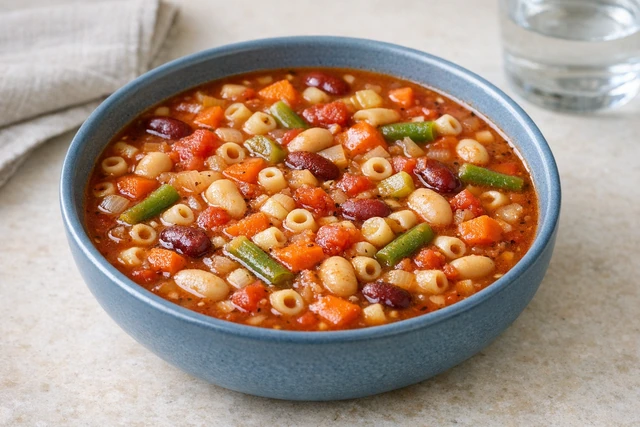 Kitchen guide
Cheap meal prep ideas: a practical mix-and-match plan
Budget-friendly meal prep using beans, eggs, potatoes and shared vegetables, with a shopping checklist and realistic waste-saving swaps.
Updated November 16, 2026 · Practical guidance