Cheap meal prep ideas: a practical mix-and-match plan
Cheap meal prep works best when you buy ingredients for several meals, not a separate shopping list for every lunch box. Use beans, eggs or lentils as a base, share vegetables across dishes, and freeze suitable extras before they go unused.
On this page
Pick a small set of overlapping ingredients
| Buy or use up | Use it in | Avoid this waste |
|---|---|---|
| Potatoes | Frittata, a soup base and a baked-potato dinner | Cooking more than you can cool and store |
| Carrots and onions | Lentil soup, roasted vegetables and casserole filling | Buying several short-lived salad vegetables for one recipe |
| Canned chickpeas or beans | Salads, soup and a spread for wraps | Opening multiple cans without a plan for extras |
| Frozen peas | Frittata, pasta and rice dishes | Buying a large fresh vegetable pack you cannot finish |
| Eggs | Breakfast portions and a quick dinner | Assuming every cooked egg dish keeps for a full working week |
An example prep plan without a made-up price tag
Local prices and household appetites vary, so this plan does not promise a fixed cost per serving. Compare unit prices, count the servings you need and check your cupboard before buying.
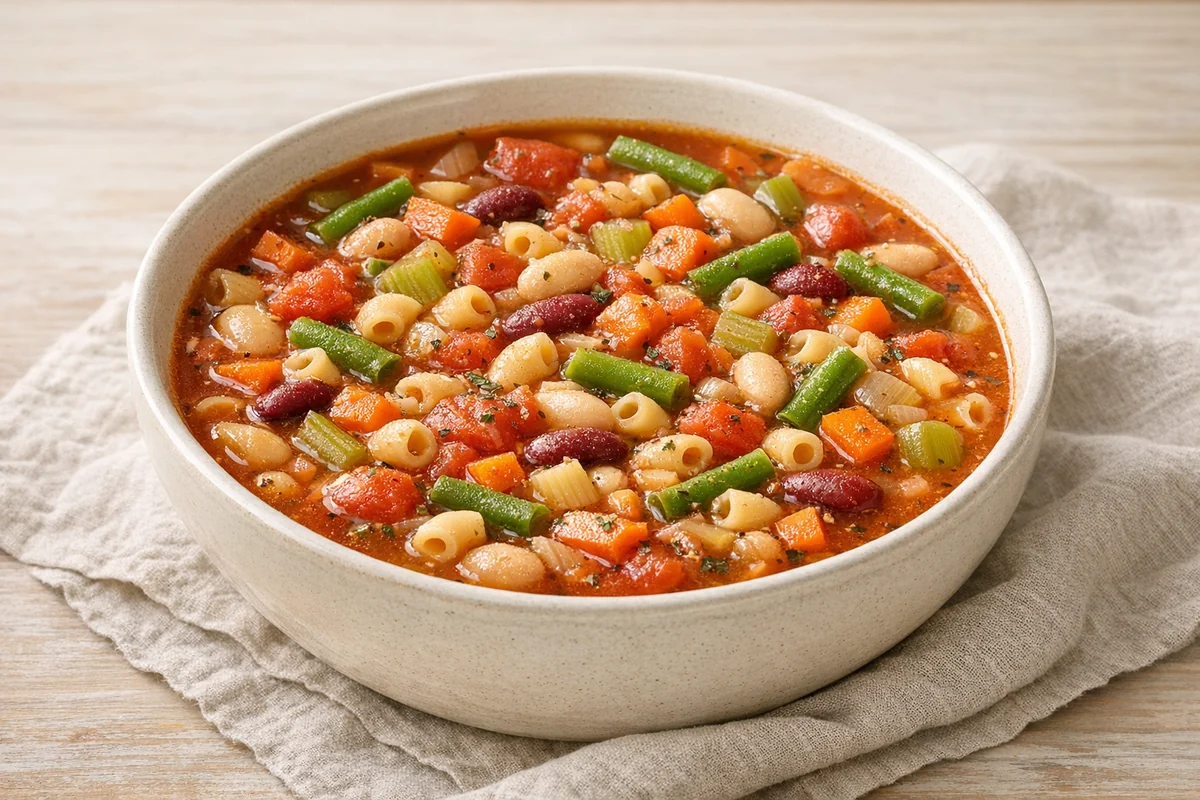
- Make a pot of soup. Minestrone uses beans and vegetables and can provide a dinner and a later lunch.
- Cook an egg dinner. Pea and potato frittata gives the potatoes and peas a second job.
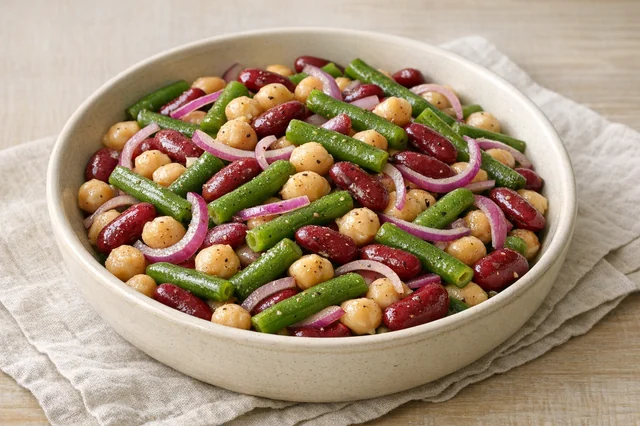
- Assemble a bean lunch. Three-bean salad uses shelf-stable ingredients; serve it with bread or another suitable starch if needed.
- Leave one meal flexible. Use properly stored cooked vegetables in a wrap or on a baked potato instead of shopping for another complete recipe.
Shop by usable amount, not package size
A large bag is only good value if you can use or store it. Compare the drained weight of canned foods as well as the shelf price. Frozen vegetables let you take only what you need, while a large fresh bag may need extra preparation or freezer space. Keep one versatile cheese, one dressing and a small set of seasonings instead of buying several single-use sauces.
If cooking dried beans, follow a reliable food-specific method; some beans need particular boiling steps. Do not substitute a casual slow-cooker method for a tested process. Canned beans are already cooked and can be a useful lower-effort choice, even if the price per dry weight differs.
Make the prep session earn its time
Start soup or an oven dish first, then wash and chop shared vegetables while it cooks. Cook only the grain portions you can cool promptly. Portion the finished food into a few early-week lunches and freezer portions, and write down what each container is for. The aim is less repeated work and less waste—not a fridge full of identical food nobody wants.
Cool cooked food promptly in shallow containers and refrigerate within two hours, or one hour above 90°F/32°C. Keep the fridge at 40°F/4°C or below. Most cooked leftovers should be used within 3–4 days; freeze suitable portions earlier if you will not use them. Reheat cooked leftovers to 165°F/74°C. Keep cold lunches chilled until eating. Rice needs the more conservative handling explained in our rice-storage guide.
Use leftovers before buying more
Check your freezer before the next shopping trip. Put a freezer meal on the calendar and keep a short list of the ingredients you repeatedly throw away. Choose smaller packs or a different recipe next week. For a household dinner framework, see family dinner ideas; for plant-based lunches, try vegetarian meal prep. The grocery-dollar checklist covers the broader shopping routine.
Common questions
What are useful low-cost meal-prep ingredients?
Beans, lentils, eggs, potatoes, oats and frozen vegetables can be practical choices. Compare local unit prices and buy amounts you can actually use.
Is bulk buying always cheaper?
Not if food is wasted or needs extra ingredients to become a meal. Compare unit prices and consider preparation, storage space and the number of usable portions.
Where to go next
Vegetarian meal prep ideas for busy families
Five mix-and-match vegetarian meals and a manageable prep routine for the week.
 Kitchen guide
Meal prep salads that stay crisp: six practical combinations
Build better make-ahead salads with sturdy vegetables, separate dressing, sensible protein choices and a safe storage plan.
Updated October 29, 2026 · Independent practical guidance