Vegetarian meal prep ideas for busy families
Prep a few flexible ingredients rather than five identical lunch boxes. Start with a protein, a grain or potato, two vegetables and a sauce; combine them differently through the week.
On this page
Five useful combinations
| Meal | Build it from | Finish just before eating |
|---|---|---|
| Chickpea bowls | Chickpeas, couscous, roast carrots | Lemon, herbs and yogurt |
| Bean wraps | Beans, peppers, tortillas | Cabbage and a spoon of salsa |
| Pea frittata | Eggs, potatoes, peas | Green salad |
| Lentil soup | Lentils, carrots, tomatoes | Bread and olive oil |
| Ricotta crostini | Peas, ricotta, bread | Mint, lemon and black pepper |
A manageable prep session
- Wash and chop vegetables. Keep salad leaves dry and separate from warm ingredients.
- Roast one tray of sturdy vegetables while you make a soup or cook a grain.
- Drain canned beans or chickpeas. Refrigerate opened portions in a suitable sealed container, not an open can.
- Mix a simple dressing and store it separately.
- Cool cooked components promptly in shallow containers, label and refrigerate or freeze.
Choose what to finish fresh
Keep wraps, toast, dressings and crisp toppings separate until serving. Make just enough ready-to-eat food for the next few days, freezing suitable extras promptly. Avoid treating a whole week of refrigerated meals as automatically safe; the ingredients and storage method matter.
Budget swaps
Use canned or dried beans in place of specialist meat substitutes, seasonal or frozen vegetables in place of expensive out-of-season produce, and plain yogurt with herbs rather than several bottled sauces. Check labels for vegetarian suitability, especially hard cheeses and stock.
Try pea and ricotta crostini or pea and potato frittata. Use the meal planner to fit these into your week.
Vegetarian meal prep with a protein component
Start with beans, lentils, chickpeas, tofu, eggs or a suitable dairy food, then add vegetables and a grain or potato. The amount of protein depends on the product and portion; we do not assign nutrition totals without a calculated recipe. Check cheeses, stock and sauces for vegetarian suitability.
| Base | Two ways to use it | Keep separate |
|---|---|---|
| Chickpeas | Roast-carrot bowls; bean-and-vegetable salad | Leaves and crunchy toppings |
| Lentils | Vegetable soup; a grain bowl | Fresh herbs and dressing |
| Eggs | Pea frittata; a breakfast portion | Toast and fresh salad |
| Tofu | Roasted vegetable bowls; a stir-fry variation | Sauces that soften crisp edges |
| Ricotta or yogurt | Pea toast; a vegetable sauce | Bread until serving |
A practical early-week vegetarian prep plan
Make a pea and potato frittata for dinner, roast a tray of carrots and cook a small pot of lentils. Use drained chickpeas with the carrots for lunch, and turn the lentils into soup or a bowl. Keep portions modest enough to chill promptly. Prepare only the next few days of chilled meals and freeze suitable cooked extras early.
For a second prep session, wash fresh leaves, mix another dressing and assemble lunches with the remaining ingredients still within their storage window. Do not use the calendar to extend the life of a dish prepared earlier. Rice needs its own stricter handling routine.
Two vegetarian dinners, one shared-ingredient check
For a concrete starting pair, use our pea and potato frittata and lentil shepherd’s pie. Both use potatoes, frozen peas and onion, but they have different cooking methods and serving sizes. This is a shopping comparison, not a new combined recipe or a promise of equal portions.
| Shared ingredient | Frittata | Lentil pie | Check before shopping |
|---|---|---|---|
| Potatoes | 300 g, scrubbed and cubed | 750 g, peeled and cubed | 1,050 g total recipe weight; allow for peeling and what you already have. |
| Frozen peas | 150 g | 150 g | 300 g total; check the open bag first. |
| Onions | 1 small onion | 1 onion | Two onions, keeping the different size descriptions in mind. |
Finish the list from the full recipes. The frittata also needs eggs, olive oil and seasoning, with vegetarian cheese optional. The pie also needs lentils, carrots, butter, milk, oil, tomato paste, vegetable stock and thyme. Check those ingredients and dietary labels separately; the table is not a complete shopping list.
Match portions before adding quantities. The frittata serves about four with sides; the pie serves four to six. Adjust each recipe to your actual diners before combining a shopping list. The totals above are not automatically scaled to a household setting in the weekly dinner planner.
Use the shared shop, not a shared cooking shortcut: follow each recipe’s potato preparation, pan or oven method and doneness checks separately. Keep frozen peas frozen until needed and follow the storage guidance below for cooked portions. Choose the cooking days around your calendar rather than preparing a full week of chilled dinners at once.
Recipes and formats to rotate
Try pea and potato frittata, vegetable pot pies, three-bean salad and curried vegetable stuffed squash. Check every ingredient label before adapting a dish. Choose meal-prep salads for cold lunches, breakfast prep for mornings or budget prep ideas for ingredient overlap.
What freezes better than a complete lunch box?
Soups, suitable cooked bean dishes and some baked egg portions can be useful freezer candidates, although texture varies. Keep fresh leaves, cucumber, yogurt sauces and crisp bread separate. Freeze a trial portion when unsure about a recipe’s texture, and follow food-specific instructions rather than assuming all vegetarian food stores the same way.
Cool cooked food promptly in shallow containers and refrigerate within two hours, or one hour above 90°F/32°C. Keep the fridge at 40°F/4°C or below. Most cooked leftovers should be used within 3–4 days; freeze suitable portions earlier if you will not use them. Reheat cooked leftovers to 165°F/74°C. Keep cold lunches chilled until eating. Rice needs the more conservative handling explained in our rice-storage guide.
Common questions
What are good vegetarian meal-prep protein options?
Beans, lentils, chickpeas, tofu, eggs and suitable dairy foods can form the protein component. Actual protein amounts depend on the product and serving size; check labels and vegetarian suitability.
Can vegetarian meal prep stay in the fridge all week?
Do not assume every dish lasts a full week. Most cooked leftovers should be used within 3–4 days; freeze suitable extras promptly and follow any shorter ingredient-specific guidance.
Where to go next
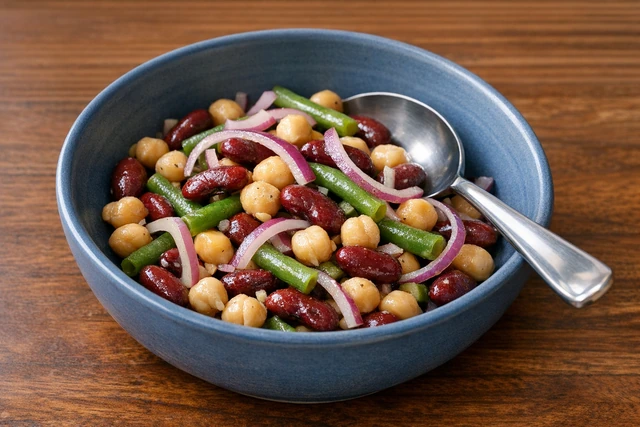 Kitchen guide
Meal prep salads that stay crisp: six practical combinations
Build better make-ahead salads with sturdy vegetables, separate dressing, sensible protein choices and a safe storage plan.
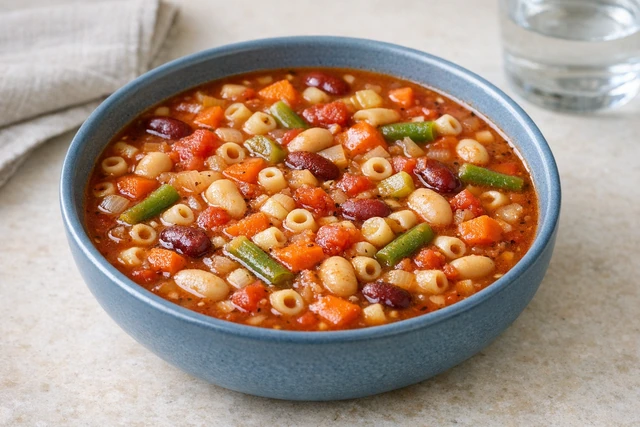 Kitchen guide
Cheap meal prep ideas: a practical mix-and-match plan
Budget-friendly meal prep using beans, eggs, potatoes and shared vegetables, with a shopping checklist and realistic waste-saving swaps.
Updated November 7, 2026 · Practical guidance