Meal prep breakfast ideas: what to make ahead and what to finish fresh
The easiest breakfast meal prep separates foods that hold well from foods best finished fresh. Prep oats, a baked egg dish or muffins in sensible portions; keep toast, fresh fruit and crunchy toppings for serving.
On this page

Choose two breakfasts, not a whole buffet
| Breakfast | Prepare ahead | Finish when eating |
|---|---|---|
| Overnight oats | Mix oats with milk or yogurt in covered containers; refrigerate. | Add softer fruit, nuts or seeds just before eating. |
| Egg and potato portions | Bake a pea and potato frittata and refrigerate promptly. | Reheat the portion you need; add toast or fruit separately. |
| Savoury corn muffins | Bake green chile and cheddar muffins; freeze extras once cool. | Thaw safely and warm if preferred. |
| Yogurt breakfast boxes | Portion plain yogurt; wash fruit and dry it well. | Add granola separately so it stays crisp. |
| Ricotta and pea toast | Prepare the topping for pea and ricotta crostini and keep chilled. | Toast bread and assemble just before eating. |
A small Sunday prep session
- Check the next few mornings. Choose portable food for early starts and a warmer option when you can sit down.
- Start the baked item first. While muffins or a frittata cook, wash fruit and portion chilled ingredients.
- Set out suitable containers. Keep wet, dry and ready-to-eat components separate. Do not put hot food directly onto salad fruit or yogurt.
- Label portions. Write the preparation date and whether the item belongs in the fridge or freezer.
- Freeze the later-week cooked portions promptly. A Sunday batch does not mean every egg portion can sit refrigerated until Friday.
Adjust the pattern for your household
For a dairy-free breakfast, choose a suitable fortified alternative and check its storage instructions. For a vegetarian breakfast, check the cheese and other ingredient labels. For gluten-free needs, use labelled gluten-free ingredients and avoid cross-contact; a dish is not gluten-free just because bread is absent.
Do not rely on a generic “high protein” label. Eggs, yogurt, beans and suitable alternatives can provide a protein component, but the amount depends on the product and portion. Pair the food you enjoy with fruit, grains or vegetables as appropriate rather than assigning invented nutrition totals.
Transport and reheat sensibly
Cool cooked food promptly in shallow containers and refrigerate within two hours, or one hour above 90°F/32°C. Keep the fridge at 40°F/4°C or below. Most cooked leftovers should be used within 3–4 days; freeze suitable portions earlier if you will not use them. Reheat cooked leftovers to 165°F/74°C. Keep cold lunches chilled until eating. Rice needs the more conservative handling explained in our rice-storage guide.
Use an insulated lunch bag with cold sources when taking yogurt or eggs away from home. Do not carry a chilled breakfast in a warm car all morning. If a microwave is available, stir or rotate reheated food and check the centre. Storage suitability differs between recipes and products, so follow the shorter relevant instructions.
Make breakfast part of the week
Choose one cold breakfast and one freezer-friendly baked option, then repeat them. Put both on your shopping list and subtract oats, eggs, flour or frozen fruit already in the kitchen. Browse our breakfast and brunch recipes and use budget meal-prep ideas when you want ingredients to work across breakfast and lunch.
Common questions
Can I meal prep breakfast for five days?
You can plan five days, but not every prepared breakfast is suitable for five refrigerated days. Freeze suitable cooked portions promptly and follow the storage guidance for each ingredient and recipe.
What should I keep separate from overnight oats?
Keep crunchy toppings separate so they stay crisp. Add delicate or easily softened fruit close to eating, and keep the oats refrigerated.
Where to go next
Vegetarian meal prep ideas for busy families
Five mix-and-match vegetarian meals and a manageable prep routine for the week.
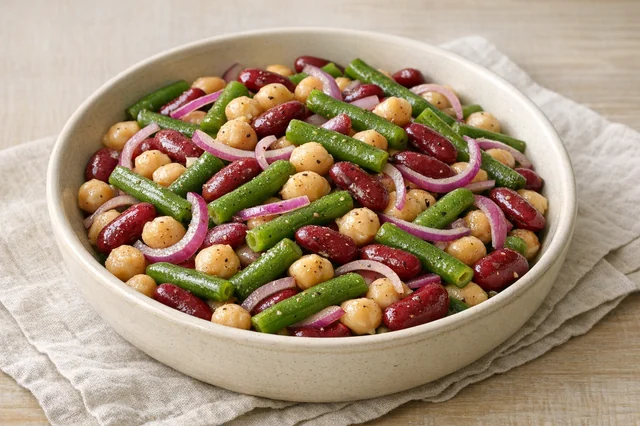 Kitchen guide
Meal prep salads that stay crisp: six practical combinations
Build better make-ahead salads with sturdy vegetables, separate dressing, sensible protein choices and a safe storage plan.
Updated October 29, 2026 · Independent practical guidance