Game-day food for a mixed crowd
Build a small menu that works for different appetites: one warm dish, one filling option and a fresh side. Keep toppings separate so guests can choose.
| Guest preference | Dish idea |
|---|---|
| Something to share | Smoky hot corn dip |
| A filling plate | Chicken quesadillas |
| A meat-free option | Chickpea salad |
| A small sweet | Carrot cake bites |
Bringing a dish to a family gathering: agree the hand-off first
A good dish to share is one you can transport and serve safely, not simply one that fits in the car. Ask the host about fridge space, oven access, serving time and dietary needs before choosing between the recipes above. This plan works for a game-day table or a holiday gathering.
| Decision | Pack or arrange | If it cannot be arranged |
|---|---|---|
| A chilled salad or dip | Use a clean, leakproof container and an insulated cooler with ice or frozen packs. Use a thermometer to check that perishable food stays at 40°F/4°C or below; transfer it to the host’s fridge promptly. | Choose another contribution with the host. A cold day or a cool-feeling container is not a temperature check. |
| A dish that will be served hot | Agree a safe hot-holding plan, or transport it safely chilled for reheating at the venue. Confirm oven space and timing before leaving. Reheat leftovers and casseroles to 165°F/74°C, checked with a food thermometer. | Do not rely on foil or a blanket to prove safe holding. Switch to a dish whose temperature you can control, or prepare it at the venue by agreement. |
| Allergens and serving | Bring the ingredient list, any package labels and a clean serving utensil. Keep raw ingredients and their juices separate from ready-to-eat food. Discuss individual needs with the host. | Do not promise an allergen-free dish from an uncontrolled shared kitchen. Let the guest and host decide what is suitable. |
| The journey home and leftovers | Bring shallow containers and decide who has fridge space. Refrigerate perishables within two hours, or one hour when exposed to temperatures above 90°F/32°C. Count time in an unchilled car and on the table, not just the time since arrival. | Discard food that exceeds the safe time limit rather than saving it for the drive home. Smell and appearance do not establish safety. |
Write a five-line packing note
- Dish and portions: use the recipe’s actual yield; ask what else is being served.
- Host agreement: fridge shelf, reheating space and serving time.
- Kit: container, cold packs where needed, thermometer and serving utensil.
- Label: dish name, ingredients and any relevant package information.
- Leftovers: named person, prompt chilling and a safe route home—or no leftovers.
Use the recipe-linked weekly planner to put the gathering alongside the rest of the week, then check the chosen recipe quantities separately. For a related cold option, read salad preparation and storage.
Safety source checked 9 November 2026: CDC: Preventing Food Poisoning, covering clean/separate/cook/chill, 40°F refrigeration, 165°F leftovers and casseroles, and the two-hour/one-hour limits. Packing and host-handoff suggestions are practical planning guidance, not a guarantee that a particular cooler or journey keeps food safe.
Keep the serving plan simple
Put out small portions and refill from food kept cold or hot. Keep cold food at 40°F/4°C or below and hot food at 140°F/60°C or above. Discard perishables left out over two hours, or over one hour above 90°F/32°C. Use clean utensils and keep allergen labels available.
Make the shopping list with the weekly meal planner.
Where to go next
 Kitchen guide
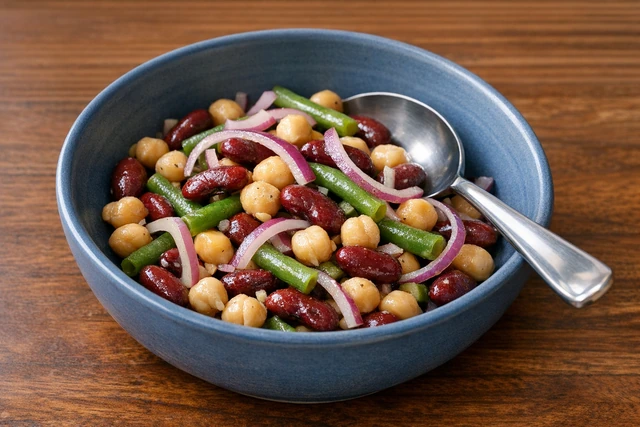
Meal prep salads that stay crisp: six practical combinations
Build better make-ahead salads with sturdy vegetables, separate dressing, sensible protein choices and a safe storage plan.
 Kitchen guide
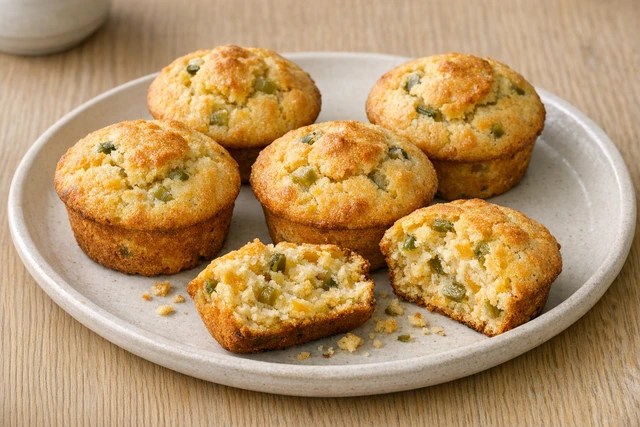
Meal prep breakfast ideas: what to make ahead and what to finish fresh
Make-ahead breakfast ideas with a practical prep schedule, storage checklist and options for eggs, oats, yogurt and savoury muffins.
Updated November 9, 2026 · Practical guidance