Canned beans: pantry uses & substitutions
Canned chickpeas, kidney beans and black beans are cooked and ready for quick soups and salads. Drain and rinse when the recipe calls for it.
Drain, rinse or keep the liquid?
Start with the recipe, not a rule that every can must be treated the same way. Plain canned beans are already cooked. Draining and rinsing removes some sodium and keeps packing liquid out of a salad; a soup may use some of that liquid if its recipe allows it. Taste before adding salt.
| What you are making | What to do | What to watch |
|---|---|---|
| Cold salad | Drain, rinse under running water and let the beans drain well before dressing. | Extra packing liquid can dilute the dressing. Fold gently to avoid crushing soft beans. |
| Soup or chili | Follow the recipe’s instruction on draining. Add cooked beans gently and heat through. | If you keep the liquid, adjust the other liquid and taste before salting. Long vigorous boiling can break beans apart. |
| Dip or mash | Drain first, then add your chosen liquid a little at a time. | You can loosen a thick dip, but cannot easily remove excess liquid. |
| Beans already in sauce | Check the label and use a recipe intended for that sauce. | Baked, chili-seasoned and refried beans are not neutral replacements for whole plain beans in a salad. |
For a lower-sodium choice, compare the current Nutrition Facts labels and look for no-salt-added options. NDSU Extension’s bean guide supports draining and rinsing to reduce sodium; it does not mean every brand or preparation loses an identical amount.
How to substitute without changing the whole dish
For a flexible salad, soup or chili, swap cooked, drained beans for a similar quantity of another cooked, drained variety. Kidney, black, pinto and white beans differ in flavor, color and texture, so the result will not be identical. Chickpeas keep a more distinct bite; softer white beans are useful when you want some beans to mash into a soup.
- Recipe says “one can”: check the can size and whether the recipe includes its liquid. Net weight includes packing liquid; it is not the same as drained bean weight.
- Using home-cooked beans: Nebraska Extension gives 1¾ cups cooked, drained beans as a substitute for one 15-ounce can. Treat this as a planning guide, not a claim that every can yields that much.
- Only have dried beans: cook them fully first. Dry beans are not a direct addition in place of ready-cooked canned beans. Follow a tested preparation method, particularly for kidney beans, rather than relying on a short warm-up in the finished dish.
For the full dried-bean method and the can-to-cooked conversion, see Nebraska Extension: how to cook dry beans from scratch.
Put it to use
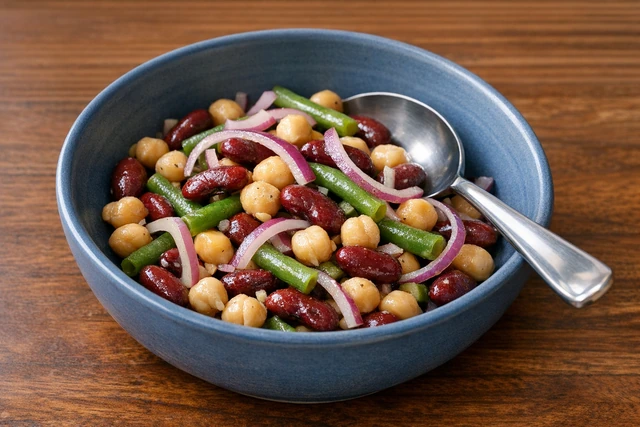
Use a mix you enjoy, checking drained weight instead of assuming every can contains the same quantity. Three-bean salad is a useful place to start: follow its ingredient quantities and dressing rather than adding an extra can’s liquid. For a flexible meal rather than a new recipe, fold drained beans into a vegetable soup or serve them with cooked vegetables and your usual grain.
What to do with the half-can left over
Cover and refrigerate promptly; follow the manufacturer’s storage instructions. Put the unused portion in a covered food container and label it with the opening date so it does not become an unidentifiable leftover. Make a plan for the rest before opening another can: a small amount can go into the next soup, salad or mash if still within the label’s storage guidance.
Home-cooked beans have their own storage guidance: Nebraska Extension says to refrigerate and use within 3–4 days, or freeze for later. That guidance is for properly handled cooked beans, not permission to extend an opened product’s shorter label instructions. For ways to organize the next few meals, see our vegetarian meal-prep guide.
Checked 12 November 2026: preparation and substitution guidance draws on the two university-extension sources above. Dish choices are practical suggestions, not a claim that we tested every bean or brand. Find more everyday cooking ideas in our pantry guides.
Where to go next
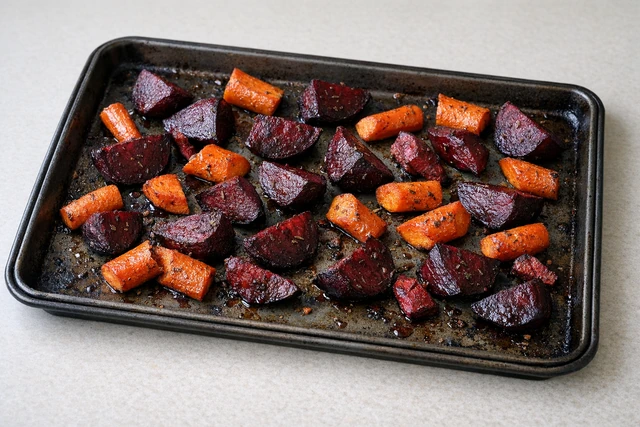 Kitchen guide
Canned beets: pantry uses & substitutions
Canned beets are already cooked. Drain for salads and quick side dishes; pickled beets have extra vinegar and sugar and are not an identical replacement.
 Kitchen guide
Vegetarian meal prep ideas for busy families
Five mix-and-match vegetarian meals and a manageable prep routine for the week.
Updated November 12, 2026 · Practical guidance