What to serve with stuffed peppers: sides for rice, meat and bean fillings
Choose sides for stuffed peppers by looking at the filling. Peppers filled with meat or beans and rice often need only a fresh salad or a green vegetable. Vegetable-only peppers may benefit from bread, grains or a separate protein component.
On this page
Start with what is already inside
| Your pepper filling | Good side | Why |
|---|---|---|
| Beef or turkey with rice | Crisp green salad | Adds freshness rather than more rice. |
| Beans and rice | Herbed green beans | A simple green side works without another rich topping. |
| Cheese and vegetables | Lentil or bean salad | Adds a more substantial component if the peppers are small. |
| Couscous and vegetables | Yogurt sauce or a suitable dairy-free alternative, with a bean side | Balances a grain-heavy filling; check dietary needs. |
| Tomato-rich, saucy filling | A small piece of crusty bread | Useful for the sauce if the meal needs another starch. |
Five sides worth keeping simple
- Lemon salad: use washed, dry leaves, cucumber and a light dressing. Add the dressing at the table so the leaves do not wilt while the peppers bake.
- Green beans: keep them lightly seasoned when the filling already contains plenty of cheese or tomato sauce.
- Slaw: a crisp cabbage slaw gives texture alongside soft roasted peppers. Choose a dressing that complements, rather than duplicates, the filling.
- Roasted vegetables: carrots or zucchini can work if your oven has space and the recipes’ temperatures are compatible.
- A bean side: three-bean salad is helpful for a vegetable-and-grain filling, but may be repetitive beside peppers already packed with beans.
Avoid making every component rich
If the stuffed peppers have a cheese topping, creamy sauce or heavily seasoned meat, choose a fresher side. Garlic bread and mashed potatoes are options, not obligations. A dinner with peppers, rice, bread and potatoes can become more work without adding much variety.
Likewise, another tomato-and-cheese baked dish may repeat the main rather than support it. Think in contrasts: soft and crisp, rich and fresh, warm main and cool side. The pepper filling tells you more than the colour of the pepper.
Plan a family-style serving
Check how many filled pepper halves the recipe makes and how large they are. A small half can be a light lunch; a generously filled whole pepper can be a substantial main. Offer the side separately so people can adjust portions, and keep spicy sauce or extra cheese optional.
For a nearby stuffed-vegetable idea, try acorn squash filled with curried vegetables. It is a different dish, but the same pairing principle applies: consider the filling before choosing another grain or bean side.
Get the cooking and storage right
Follow the stuffed-pepper recipe for whether the meat or grain is cooked before filling, and check the centre as well as the pepper. Ground meats need food-specific safe cooking temperatures; reheated cooked leftovers need 165°F/74°C. Do not use the softness of the pepper alone as proof that a raw-meat filling is safely cooked.
Cool leftovers promptly in shallow containers, refrigerate within two hours and use most cooked leftovers within 3–4 days. Rice-filled peppers also need careful rice handling; see our cooked-rice guide. For more weeknight combinations, browse family dinner ideas.
Common questions
Do stuffed peppers need a rice side?
If the filling already contains rice, a salad or green vegetable usually provides more contrast. Add another starch only when the filling or appetite calls for it.
What goes with vegetarian stuffed peppers?
Choose according to the filling. Bean-and-rice peppers work with a fresh salad, while vegetable-only peppers may benefit from a lentil side, bread or another suitable protein component.
Where to go next
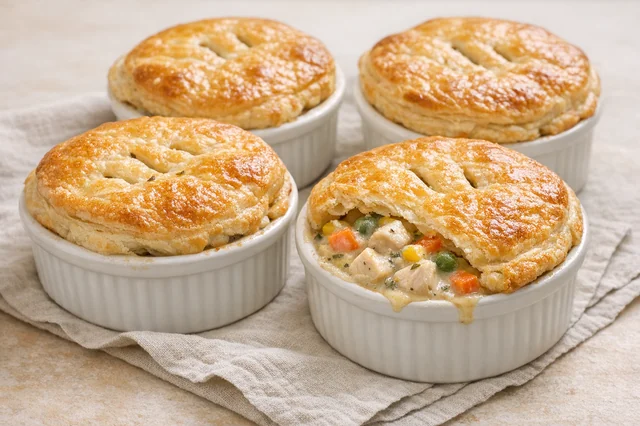 Kitchen guide
What to serve with chicken pot pie: easy sides that balance the meal
Choose fresh salads, green vegetables and simple sides for chicken pot pie, with pairing tips for pastry-topped and potato-topped pies.
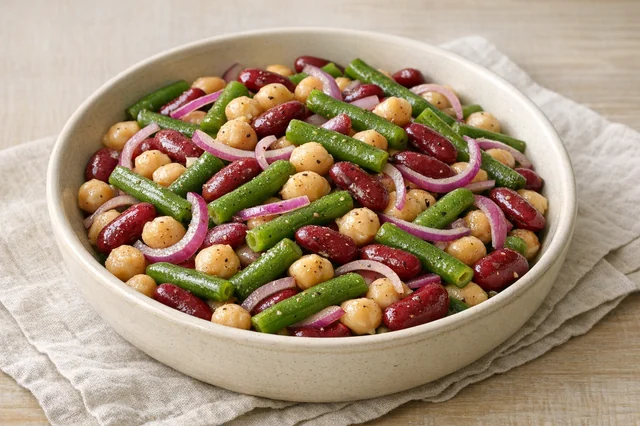 Kitchen guide
Meal prep salads that stay crisp: six practical combinations
Build better make-ahead salads with sturdy vegetables, separate dressing, sensible protein choices and a safe storage plan.
Updated October 29, 2026 · Independent practical guidance